Counselling FAQs
Answers to common questions from parents and carers,
-
£65 for 50 minutes and £60 for those struggling financially. However, there are only a few of these concessionary spots available, so please enquire about these if interested.
-
Generally age 11-25. Although, I have worked with younger and older. Please do not let this age bracket stop you from getting in touch, should you be interested.
-
I hold an MA in Counselling. I am a Registered Member of the BACP and am a certified Online Counsellor.
-
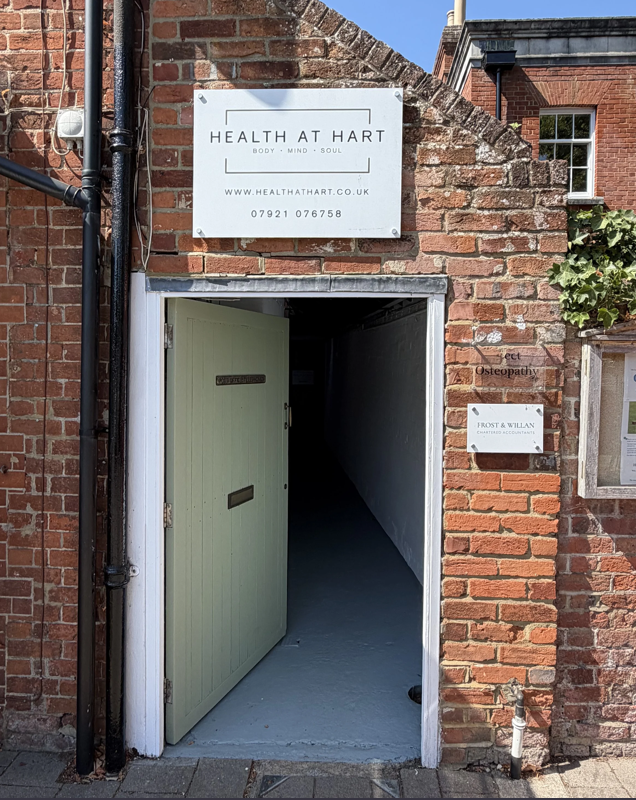
The Old Post Office, Hartley Wintney, Hook RG27 8NZ
-
Every client is different. Most young people have between 12-20 sessions, but I have worked with some for only a few sessions and others over 3 years.
-
Absolutely not! I work with both neurotypical and neurodiverse young people. A diagnosis is not necessary.
-
Easy! Fill in the booking form on the ‘contact’ tab of this website and I will get back to you with my availability.
-
I have a 15-minute call with all clients to learn a little more about their situation. For under-17s, the child doesn’t need to be present. I’ll then email a counselling agreement and intake form, which need to be completed before the first trial session. If you’re happy to continue, we can book further sessions. The agreement isn’t binding—it’s simply there as part of my duty of care.
-
The first session is a chance for the counsellor and client to see if they’re a good fit to work together. We’ll discuss confidentiality and get to know each other through questions. I also have fidget toys and colouring books to help ease any first-session nerves.
-
Yes, sessions are mostly confidential. However, if a young person is involved in serious harm, such as drug dealing or child abuse, or is self-harming or experiencing strong suicidal thoughts, I would need to inform their parent/guardian as part of my duty of care, involving the young person in that process.
-
Parents/carers don’t usually attend sessions. However, if a young person is particularly anxious, their carer can join for the first few minutes to help them settle. The focus is on building a trusting relationship between the counsellor and young person.
-
They can’t be forced! I always aim to make counselling a positive experience, but it’s most effective when the young person is open to it or has chosen to ask for help themselves.